








Details
Description
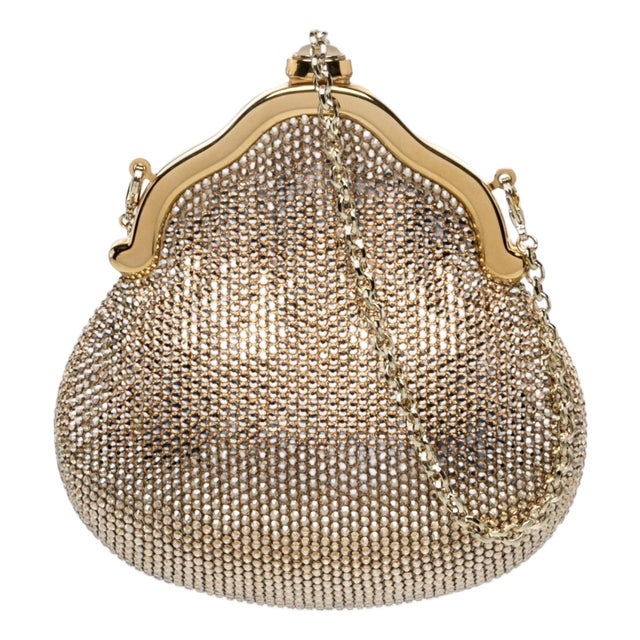
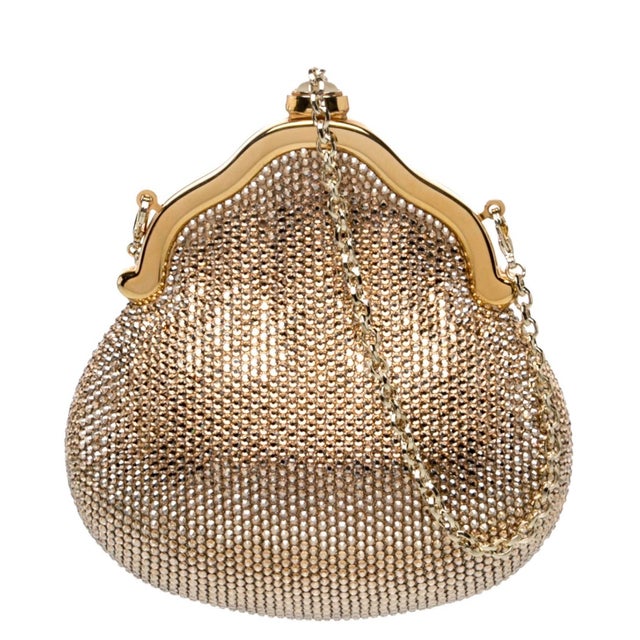
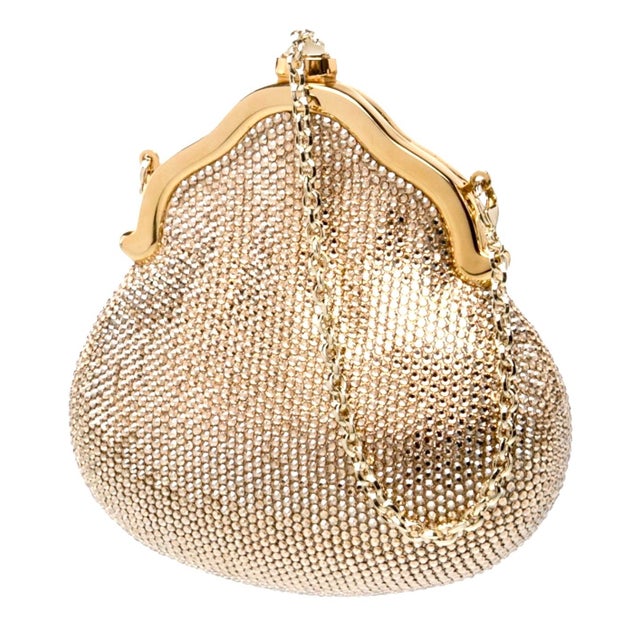
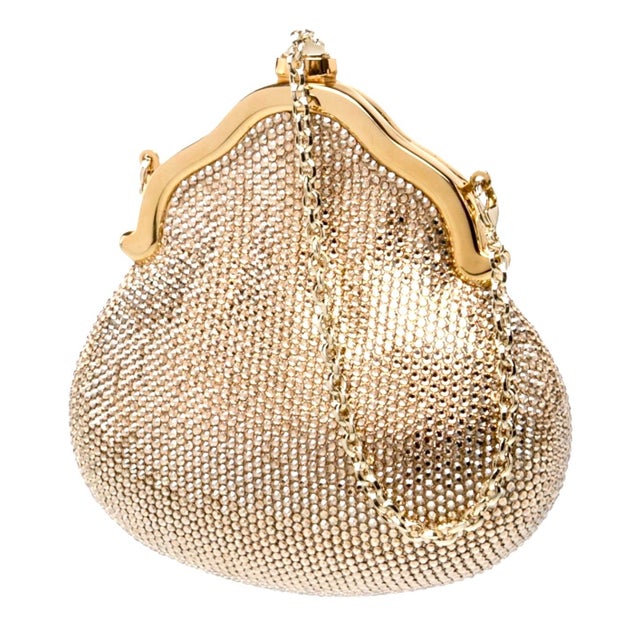
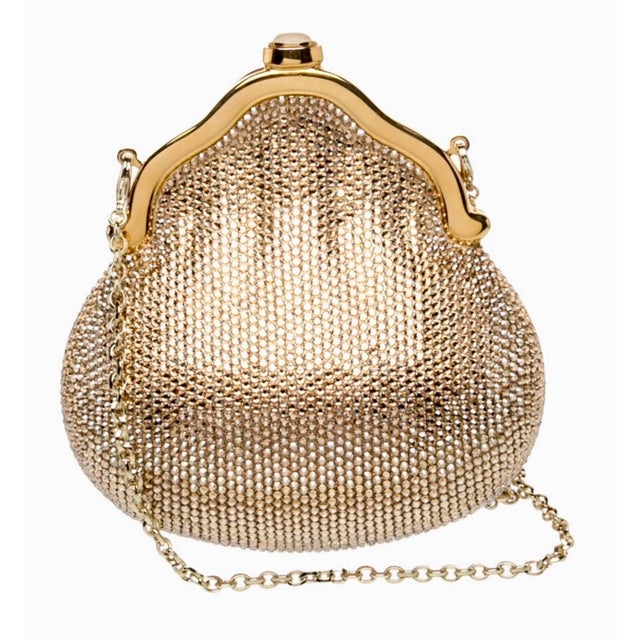
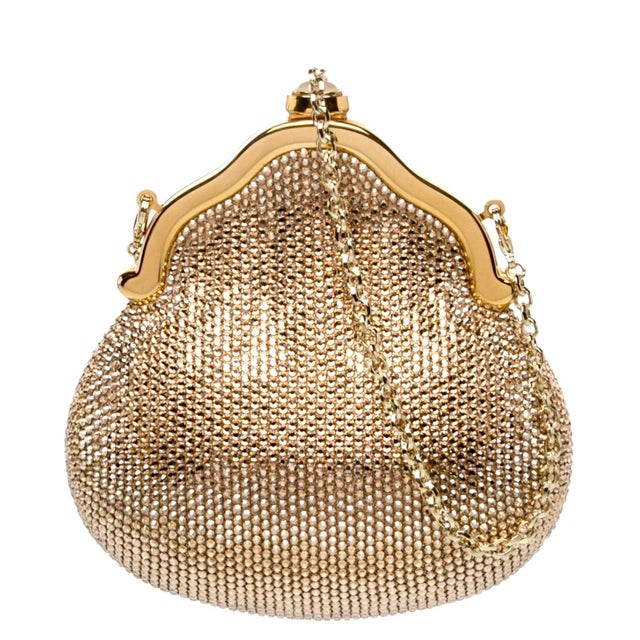
Judith Leiber Couture Chatelaine Minaudière (2017 Reissue)
The Ultimate Celebration of Fashion History
Own a masterpiece born from an accidental …
Read more
Judith Leiber Couture Chatelaine Minaudière (2017 Reissue)
The Ultimate Celebration of Fashion History
Own a masterpiece born from an accidental stroke of genius.
In 1967, Judith Leiber designed a smooth metal frame bag that returned from Italian gold-platers noticeably flawed and tarnished. Rather than scrapping the batch, she meticulously hand-glued Swarovski rhinestones to the entire surface to hide the imperfections—bitching the brand's iconic, signature look.
To honor the 50th anniversary of this legendary design milestone, Judith Leiber Couture released this highly limited 2017 Anniversary Chatelaine Edition, meticulously recreating the exact historic silhouette of the 1967 original while infusing it with modern, ultra-luxury refinements.
Product Features & Collector Details
Brand: Judith Leiber Couture
Model: 50th Anniversary Chatelaine Minaudière (2017 Release)
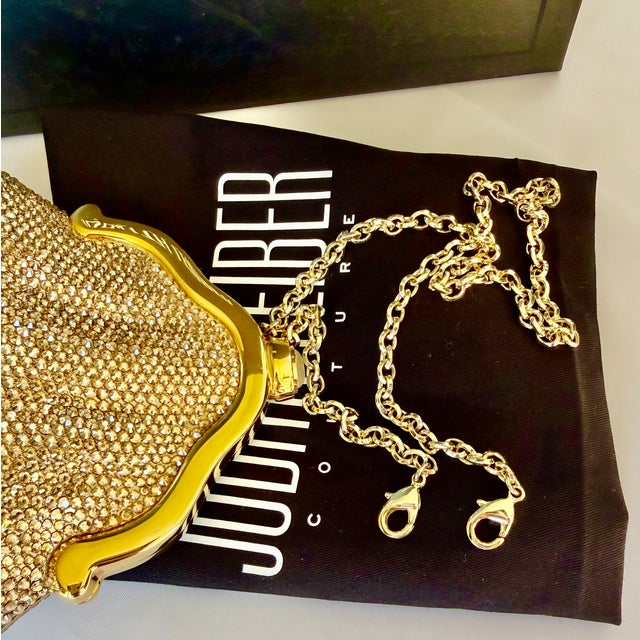
Exterior: Flawlessly covered in top-tier, multi-faceted Swarovski crystals that catch light much more intensely than vintage 1960s rhinestones.
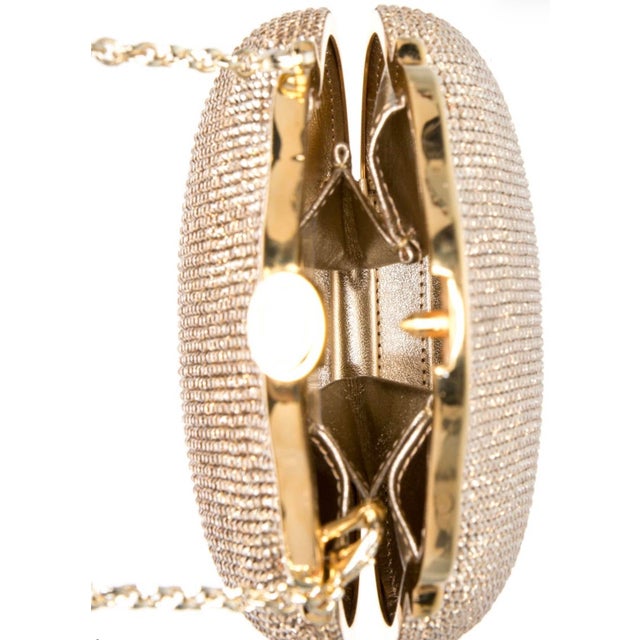
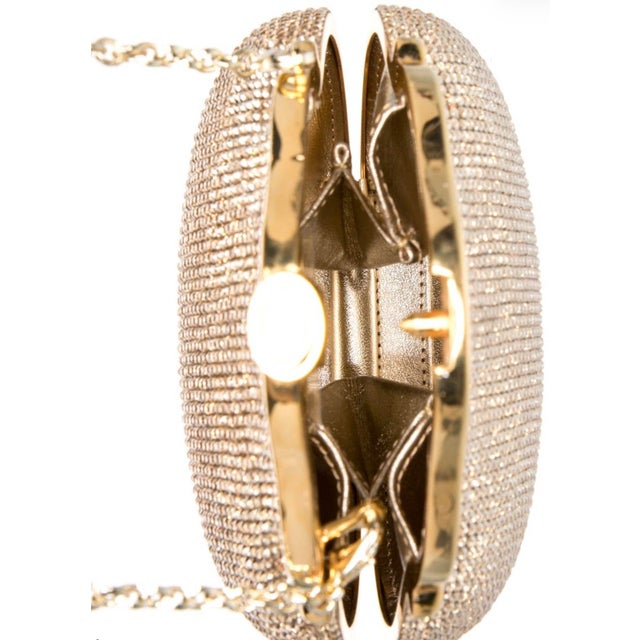
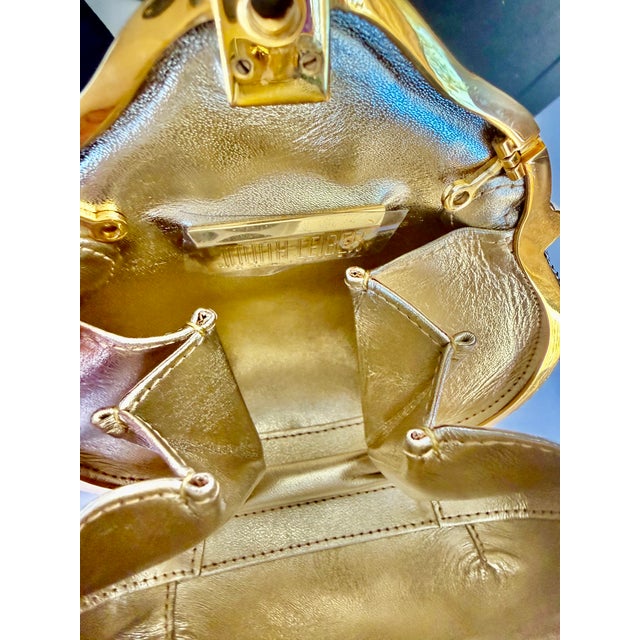
Interior Upgrade: Lined in pristine, premium metallic leather featuring a commemorative internal anniversary plaque.
The Silhouette: A gorgeous standalone evening minaudière that replicates the vintage "chatelaine coin purse" shape—originally inspired by the miniature mesh pouches worn by the "mistress of the castle" from the Middle Ages through the Victorian era.
Purchase includes dustbag, CoA, box
Over those 50 years, the meaning of the crystals completely flipped: In 1967, the crystals were a cover-up. They were a functional tool used to mask a tarnished, imperfectly plated batch of metal frames from Italy. In 2017, the crystals were the crown jewel. They were applied flawlessly across the frame as a badge of honor, celebrating five decades of an accidental masterpiece that went on to define American high fashion and earn a permanent place in museum archives. It turns a design "mistake" into one of the most intentional and celebrated luxury statements in fashion history.
The original Judith Leiber Chatelaine Minaudière was created in 1967. It was a groundbreaking milestone that permanently changed the landscape of luxury evening accessories. The fascinating history behind the original 1967 masterpiece includes several unique features:
Born from a Mistake: When Judith Leiber originally designed the smooth metal frame bag, she sent it to be gold-plated by her fabricators in Italy. When it returned, the metal plating was noticeably flawed and tarnished. Rather than scrapping the batch, she decided to hide the imperfections by meticulously hand-gluing Swarovski rhinestones to the entire surface. This accidental fix birthed her brand's iconic signature look.
Democratic Luxury: In the 1960s, highly ornamental metal bags were made of solid precious metals and reserved exclusively for royalty or those with bank vaults. Leiber purposefully utilized non-precious base metals covered in crystals so that the "everyday lady" could enjoy high-glamour evening wear without needing a safety deposit box.
The "First" Minaudière: While she had created traditional structured purses prior, the 1967 Chatelaine was the very first crystal-covered hard-case minaudière she ever produced, spawning a lineage of 3,500+ legendary designs. Because of its legendary status, original 1967 editions are heavily coveted by museums and fashion archivists alike.
This collector's piece meticulously recreated the exact silhouette of the 1967 original while introducing modern luxury refinements: Swarovski Crystal Upgrade: The 2017 reissue swapped out the vintage rhinestones of the original for top-tier, multi-faceted Swarovski crystals, catching light much more intensely than the 1960s versions. Modernized Interior: While the outside paid exact homage to the vintage coin-purse frame, the inside was upgraded with pristine, premium metallic leather lining, complete with the “Judith Leiber Couture” signature tag. The original was signed on the lining in Judith Leiber’s signature cursive style.
Historically, a chatelaine is a highly decorative belt hook or clasp worn at the waist by the mistress of a household. Popular from the Middle Ages through the Victorian era, it featured a series of suspended chains used to carry essential everyday tools. The accessory served several purposes: The Original "Utility Belt": Because traditional historical gowns completely lacked pockets, women used a chatelaine to clip their keys, scissors, sewing thimbles, watches, perfume bottles, and small writing tablets directly to their waistbands for quick access. A Symbol of Authority: The word itself comes from the French châtelaine, meaning the "lady of the castle." Whichever woman carried the heavy, jangling keys to the home's locked cabinets and rooms held the ultimate domestic authority. A Luxury Status Symbol: Over time, it evolved from a purely functional item into an intricate piece of fine jewelry. The most affluent women wore opulent chatelaines crafted from solid gold, sterling silver, or gemstones by luxury houses.
How Judith Leiber Tied Into It By the 20th century, the rise of modern handbags with internal pockets caused the traditional waist-worn chatelaine to completely disappear. When Judith Leiber launched her design in 1967, she borrowed the vintage "chatelaine coin purse" shape—specifically mimicking the framed miniature mesh pouches that used to hang from those historical waist chains—and reimagined it into a standalone luxury evening minaudière. The journey of the chatelaine mirrors the evolution of a woman's societal role, independence, and agency across three distinct centuries. What began as a tool of domestic management transformed into an emblem of economic freedom, and finally, into a self-directed luxury keepsake. 1. The Victorian Era: The Badge of Domestic Command In the 19th century, the chatelaine was the ultimate symbol of a married woman’s authority within the domestic sphere. Because women were legally and socially barred from public life, their domain was the home. The Meaning: Wearing the heavy, jingling keys to the castle at her waist meant a lady had successfully achieved the status of châtelaine (mistress of the household). It broadcasted her managerial status over servants and property. The Tools: Suspended items like thimbles, scissors, and vinaigrettes were intensely practical. They tied her identity directly to domestic duty, home production, and hosting etiquette. 2. The 1960s: The Dawn of Financial and Legal Independence By the time Judith Leiber reinvented the chatelaine shape in 1967, the landscape of a woman's life had shifted radically. The 1960s marked a major wave of feminist liberation, where women were rapidly entering the workforce, delaying marriage, and asserting their presence in public, professional, and nightlife spaces. The Meaning: The accessory migrated from the domestic waist to the independent hand. Women no longer needed to carry keys to a household pantry; instead, they needed a glamorous vessel for their own nights out on the town. The Tools: Leiber’s minaudière was designed to hold the modern essentials of a self-sufficient woman: her own money, her own lipstick, and her own compact mirror. Furthermore, by using crystals to cover flawed base metals, Leiber democratized glamour, ensuring that a woman didn't need inherited wealth or a man's fortune to carry a piece of high fashion. 3. The 21st Century: The Celebration of Self-Purchased Luxury In the modern era, culminating in pieces like the 2017 50th Anniversary Edition, the chatelaine has evolved into a monument of self-expression and personal success. The Meaning: Modern luxury collectors don't view the chatelaine through the lens of household duty or political rebellion. Today, women hold unprecedented spending power, frequently purchasing these ultra-luxury items for themselves to celebrate career milestones, personal style, or an appreciation for fashion history. The Tools: Ironically, as smartphones have consolidated our keys, money, and mirrors into a single digital device, the 21st-century chatelaine has shed its utilitarian purpose entirely. It now exists purely as wearable art—a celebration of history, craftsmanship, and a woman's total autonomy over her own image. When we directly compare the Victorian waist-hung chatelaine to the 21st-century Judith Leiber shoulder bag chatelaine, we see an extraordinary transformation. The accessory evolved from a heavy, clanking household toolkit into a silent, shimmering piece of fine art.
The Ultimate Irony The ultimate design paradox between the two lies in how they handle security. The Victorian version hung everything out in the open because a woman's authority was rooted in the visibility of her keys and tools. The 21st-century Judith Leiber version pulls everything inside a protective, jewel-like vault—reflecting a modern world where privacy, personal space, and self-confidence are not on display
See less
- Dimensions
- 5ʺW × 2ʺD × 5ʺH
- Bag Handle Drop
- 9.0 in
- Brand
- Judith Leiber
- Designer
- Judith Leiber
- Period
- 2010s
- Country of Origin
- Italy
- Item Type
- Vintage, Antique or Pre-owned
- Materials
- Gold-Plate
- Leather
- Synthetic Crystal
- Condition
- Good Condition, Original Condition Unaltered, Some Imperfections
- Color
- Gold
- Authenticity Mark
- Captured in
- Condition Notes
- Purchase includes dustbag and box. Faint scratches. Dried glue Refer photos for details Purchase includes dustbag and box. Faint scratches. Dried glue Refer photos for details less
Questions about the item?
Returns & Cancellations
Return Policy - All sales are final 48 hours after delivery, unless otherwise specified in the description of the product.
Cancellation Policy - Prior to shipping or local pickup, buyers may cancel an order for up to 48 hours, unless otherwise specified.